
Student Debt Changes Challenge the Future of the Physician Workforce
While most Americans are aware that the One Big Beautiful Bill Act (OBBBA) that was passed by Congress this summer made major changes to Medicaid and tax policy, major changes to federal student borrowing and loan repayment programs have flown under the radar for many physicians and others who will be impacted by these changes.
OBBBA established a new annual student loan limits of $50,000 per year for professional programs like medicine or law, as well as a new lifetime cap of $200,000 for professional degrees. These limits come in addition to an overall lifetime cap of $257,500 for all federal student loans, including undergraduate education. Additionally, the Grad PLUS loans many borrowers relied on to pursue advanced degrees will be eliminated for new borrowers starting on July 1, 2026.
Along with our partner organizations, ACP repeatedly raised concerns throughout the legislative process about how these changes would impact the physician workforce. According to the American Association of Medical Colleges, the average tuition and fees for first year medical students in 2023-24 was $49,512 at public institutions and $61,528 at private institutions. More than half of medical student graduates report finishing medical school with more than $200,000 in debt. With new limits of federal borrowing, medical students will be forced to take out private loans that have higher interest rates and lack the protections available in federal loan programs. If a medical student took out any undergraduate federal loans, they’ll need to take on even more private debt.
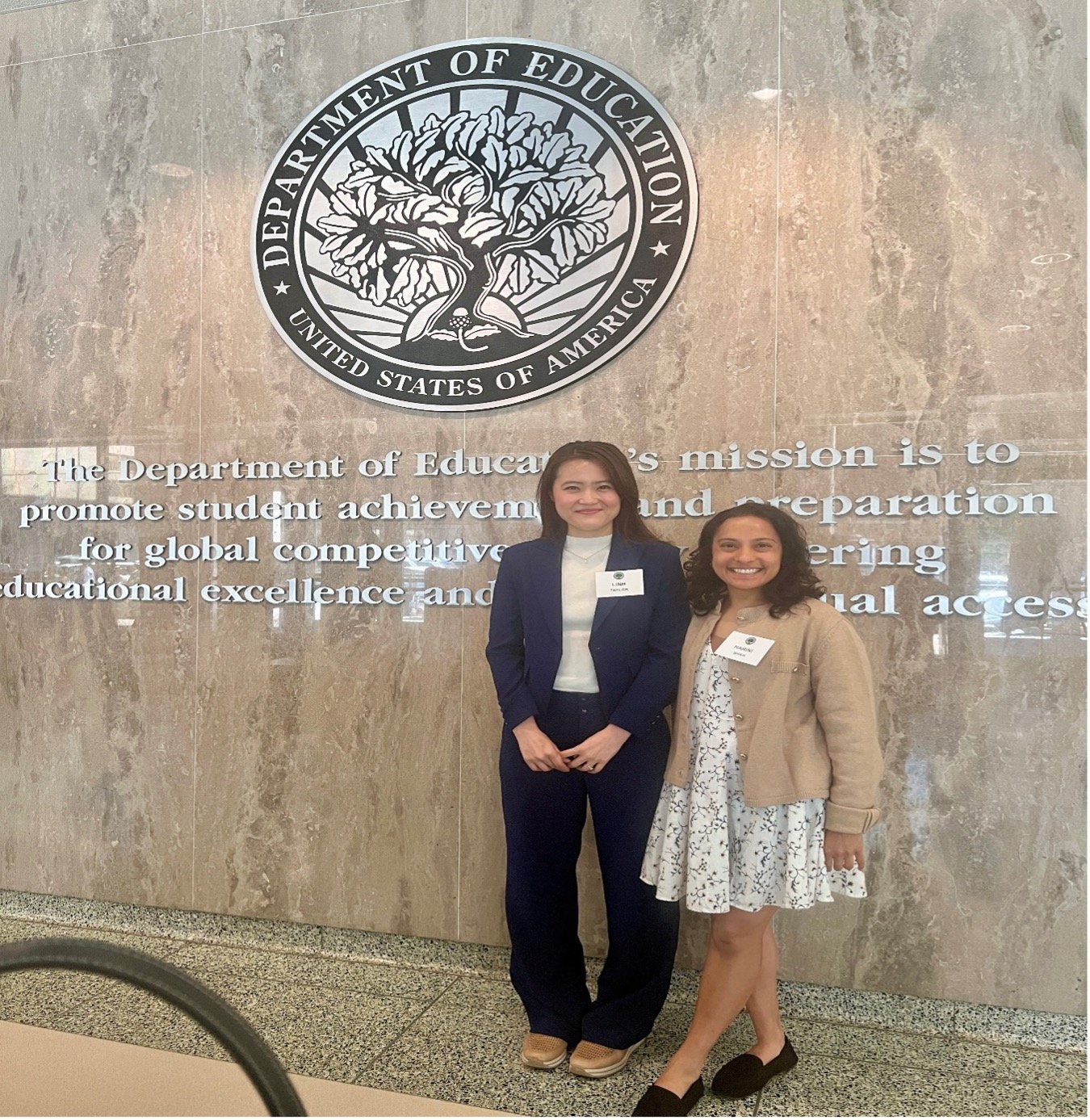
In addition to loan limits, the Department of Education has finalized a new rule to restrict who qualifies for the Public Service Loan Forgiveness (PSLF) program. This program allows physicians and other borrowers working in the non-profit sector or as a government employee to have their remaining debt forgiven after ten years of qualifying payments. Under the new rule, employees of organizations that are “undermining national security and American values” by not aligning with Trump administration positions on immigration and gender-affirming care are barred from participation. Alongside our allied medical organizations in the Group of Six, ACP has warned that the political litmus test established in the new final rule will harm patients and physicians.
By guaranteeing that physicians do not become trapped under inescapable debt, PSLF is one of the strongest tools we have to attract future physicians to work in primary care, particularly in underserved areas. Additionally, any private loans taken out by borrowers as a result of new federal limits would not qualify for PSLF.
These changes to federal loan programs will create barriers to medical education for qualified students while pushing medical students away from pursuing careers in primary care. ACP will continue working with our allies in Congress to mitigate the impacts of these policy changes on the physician workforce and to ensure that qualified medical students can finance their education.